50.6° NSaskatchewan, Canada
Your telescope,
under pristine Canadian skies.
Automated remote hosting beneath true Bortle 2 dark — engineered for astrophotographers in light-polluted Asian tech hubs. Image all night while you work all day.
- Location
- Saskatchewan, Canada
- Sky rating
- Bortle 2 — near-pristine
- Latitude
- 50.6° N
- Uplink
- 1 Gbps symmetrical fiber
- Enclosures
- Automated roll-off roofs
- Asia offset
- ≈ +14 hrs (your daytime)
01Light from the array
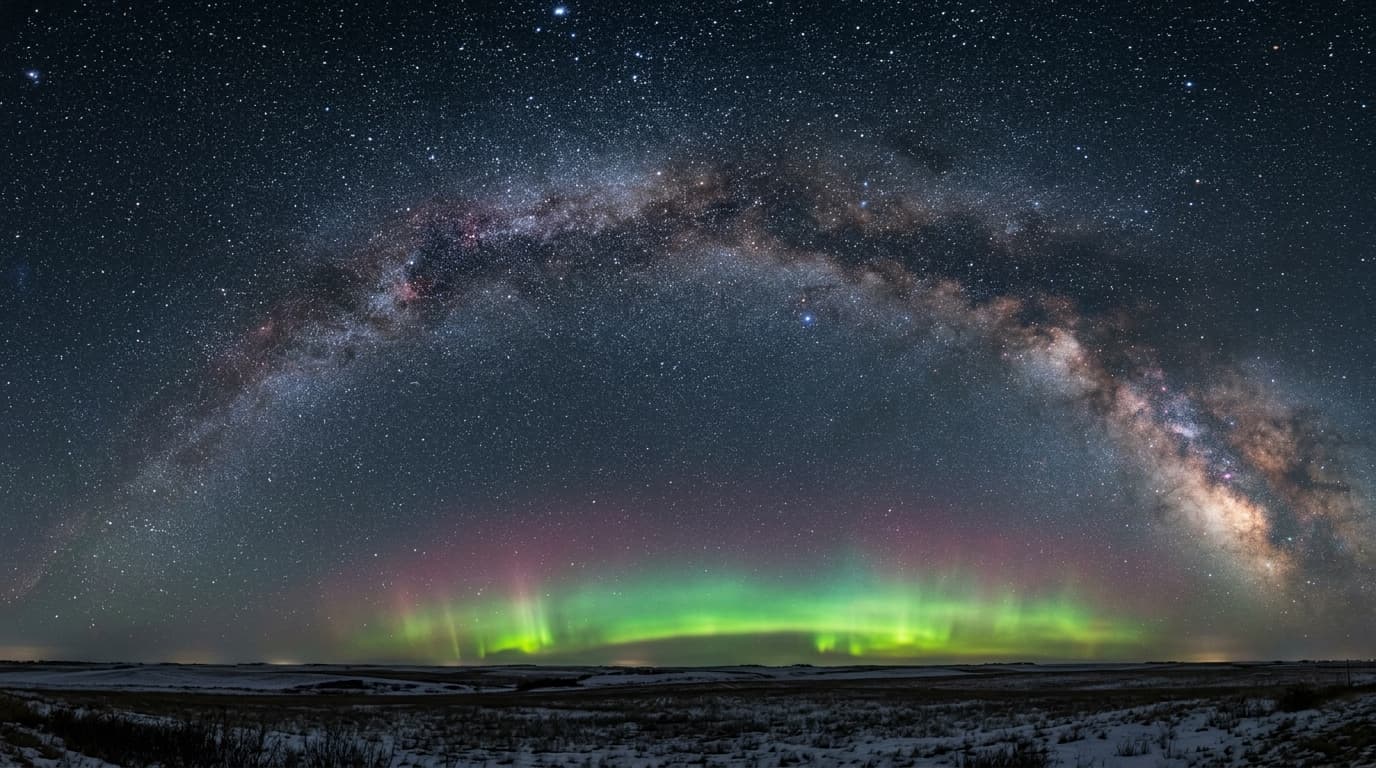
The kind of sky you’re imaging into.
The kind of deep-sky targets Bortle 2 prairie skies make possible — the signal you simply can’t pull from a balcony in Singapore.
Illustrative imagery — representative targets, not captures from the live site.
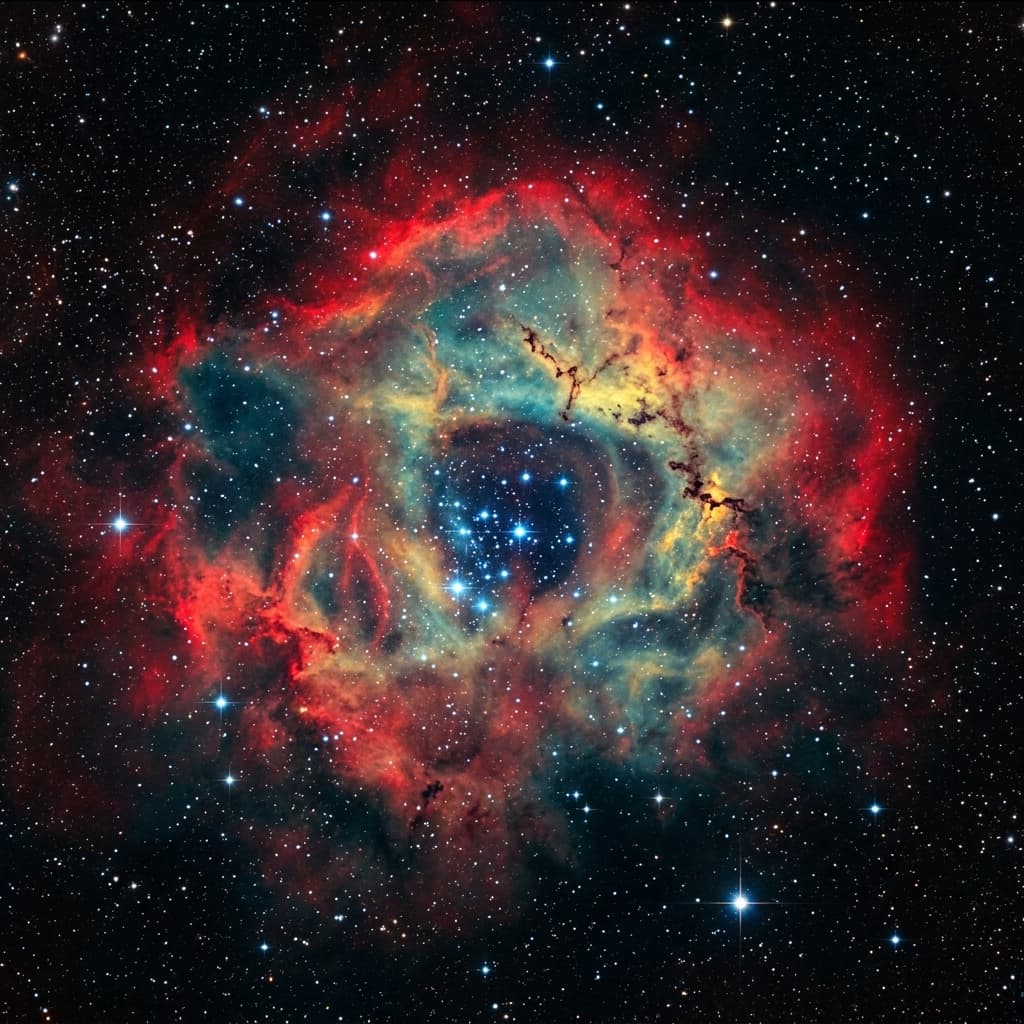
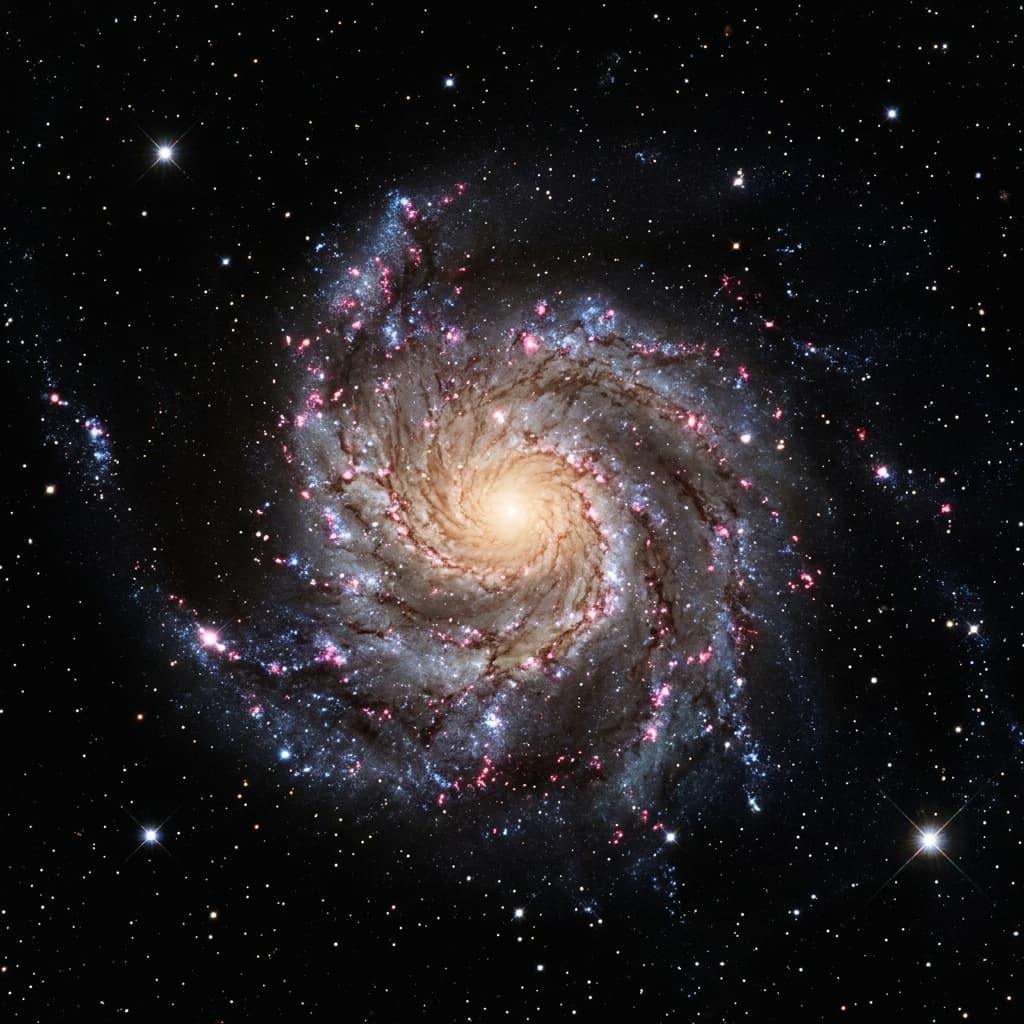
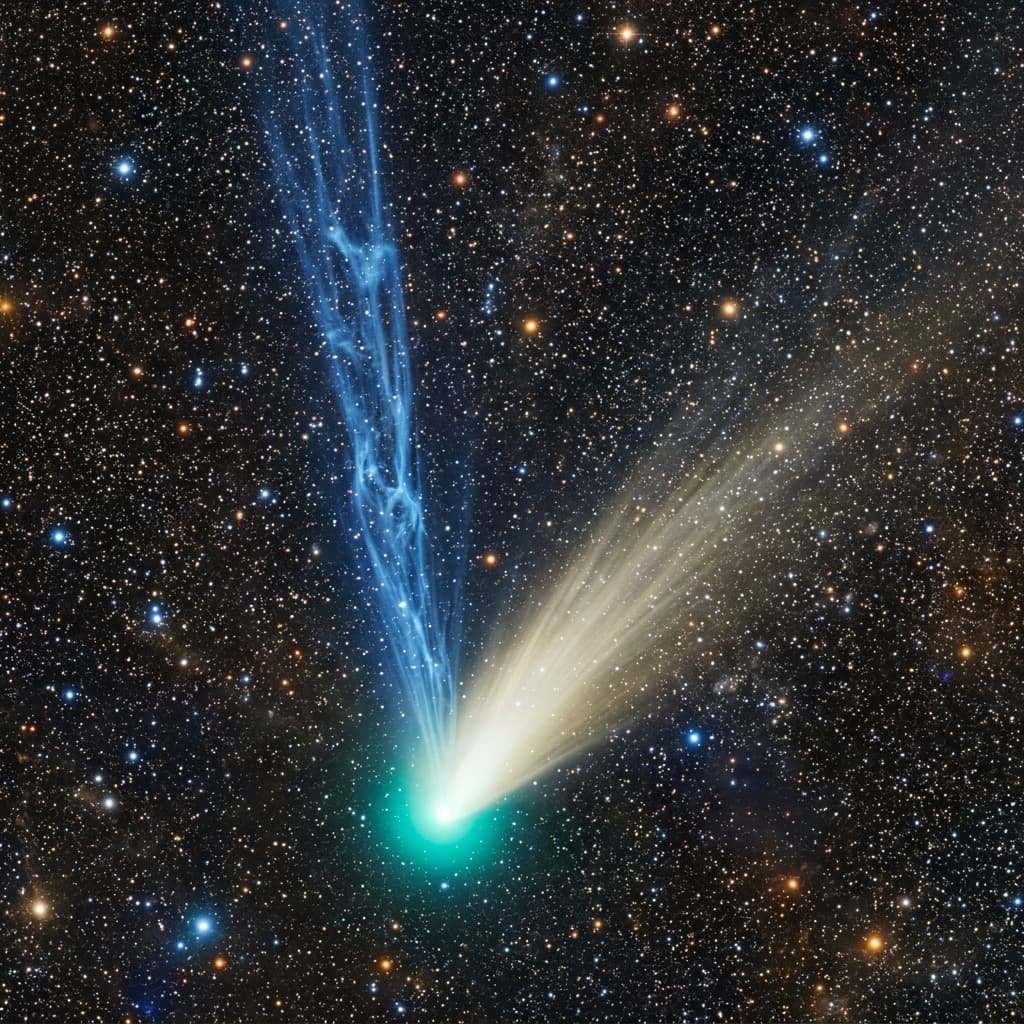
The darkness advantage
≈ 50× darker sky than a city balcony.
Each step on the Bortle scale compounds. The gap between a Bortle 8–9 metro and a Bortle 2 prairie is roughly four magnitudes of sky brightness — about a fiftyfold darker background, where faint nebulosity and galaxy structure finally rise out of the noise.
Typical Asian metro
Singapore · Hong Kong · Tokyo
- Bortle class
- 8 – 9
- Sky brightness (SQM)
- ~17.5mag/arcsec²
- Naked-eye limit
- ~4.0mag
Boreal 168 Observatories
Saskatchewan prairie
- Bortle class
- 2
- Sky brightness (SQM)
- ~21.8mag/arcsec²
- Naked-eye limit
- ~7.3mag
Figures are typical values for each Bortle class, not site measurements. Lower SQM and higher limiting magnitude mean a darker, more transparent sky.
02The Saskatchewan advantage
Dark skies, real fiber, and a clock that works for you.
Dark sky
True Bortle 2 skies
Light pollution at the zenith is unmeasurable by scientific sensors. Regional light domes sit below 10° on the horizon — an ink-black field for deep-sky imaging.
Infrastructure
Unthrottled dedicated fiber
A dedicated, symmetrical 1 Gbps pipe straight to the facility. 1:1 upload guarantees land your 50 GB of nightly frames in the morning window — never throttled.
The schedule
Your night is our daytime
Saskatchewan sits ~14 hours behind East Asia. Manage targets over lunch in Singapore while your rig images under a pitch-black sky — no more 3 a.m. debugging.
03The Canadian arbitrage
Image all night. Without losing a night.
Australian observatories share Asia’s clock — so their clients debug sequences at 2 a.m. Saskatchewan’s night is your working day. Log in over lunch, run calibrations, and let the prairie dark do the rest.
--:--
Imaging night
--:--
Your daytime
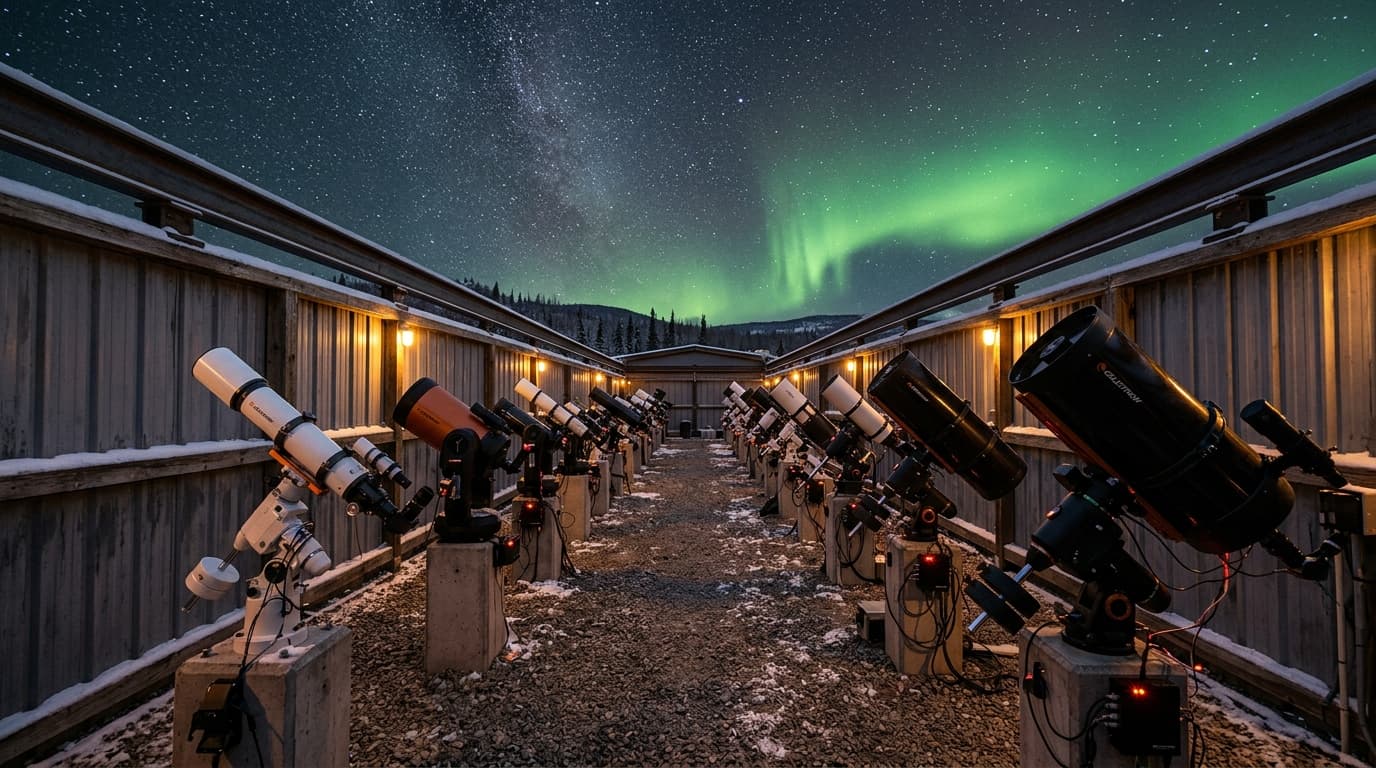
04Inside the array
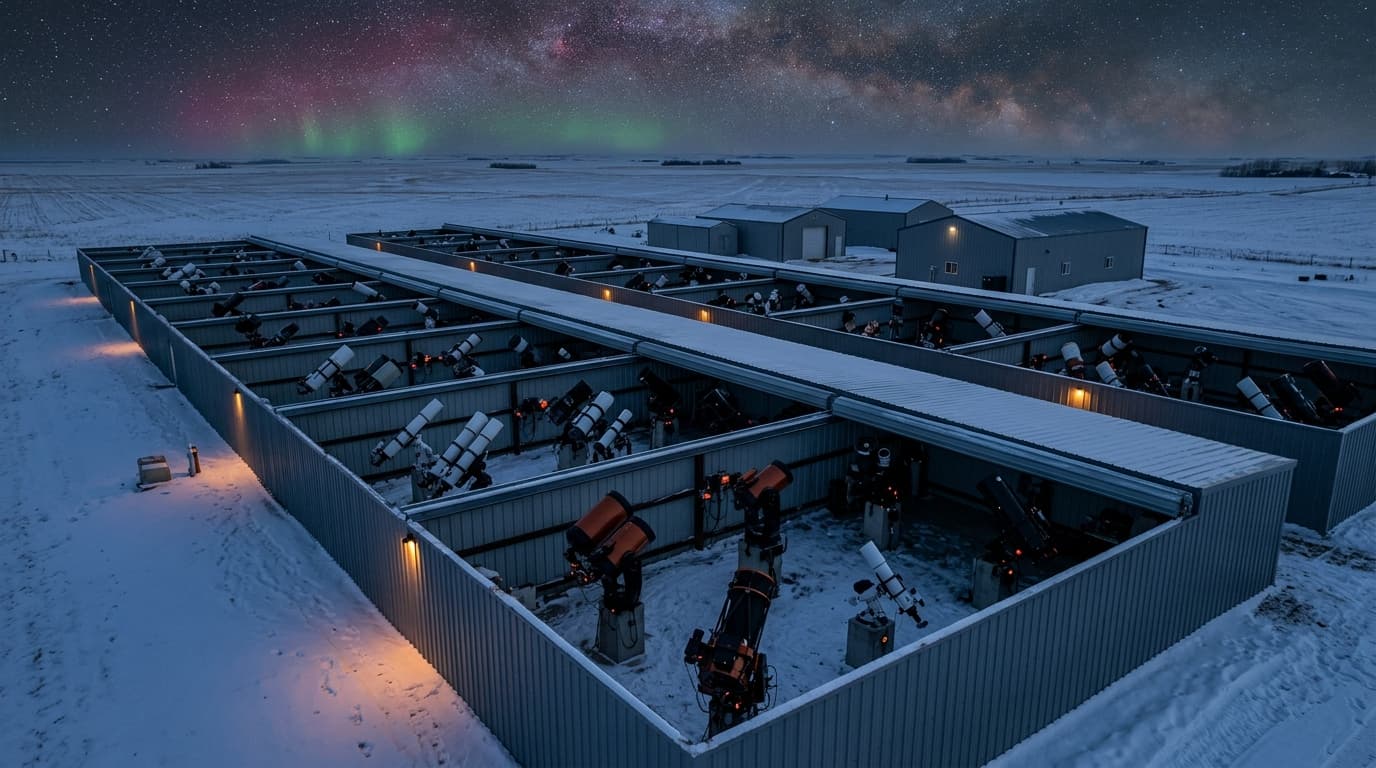
Your rig, racked among the best.
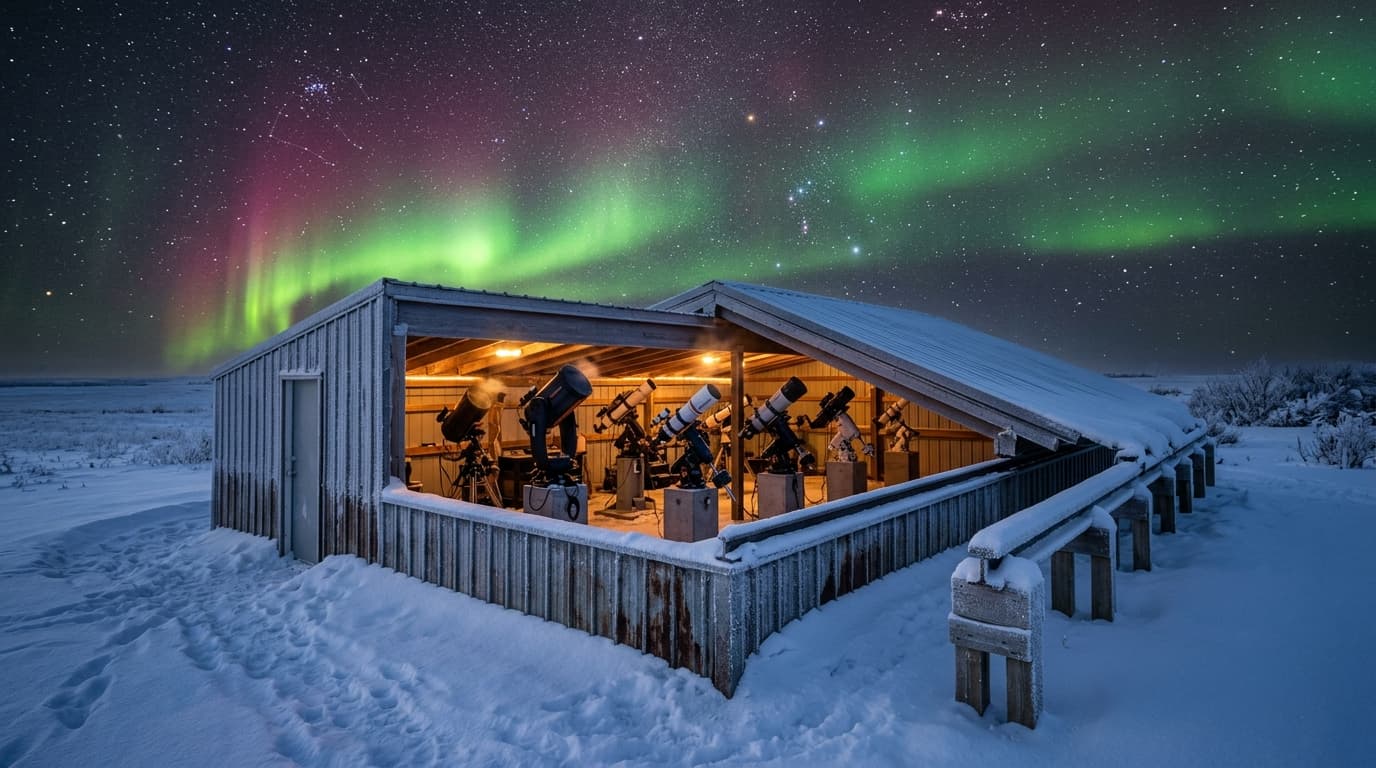
High-density roll-off-roof enclosures host every class of hardware — apochromatic refractors, Schmidt-Cassegrains, fast astrographs and Newtonians — each on its own isolated concrete pier with managed power, dew control and a dedicated data line.
- 200+
- pier capacity at buildout
- 50 GB
- raw frames / rig / night
- 4 hr
- AM download window
05The arid-climate advantage
The dry prairie works for your data.
Southwest Saskatchewan's air is exceptionally arid and stable — low humidity that delivers superior transparency, steadier seeing and far less dew than coastal or mountain sites. The cold that comes with it is simply an engineering problem, and we've solved it end to end.
The dry-cold advantage
Bone-dry, stable prairie air means far less dew and frost, superior atmospheric transparency and steadier seeing — while the cold itself eases camera cooling. The climate works for your data, not against it.
Dew & frost off your optics
Dew heaters and shields, managed to the dew point, hold your glass a hair above condensation — clean frames all night, without ever warming the optics out of thermal balance.
Cold-weather lubricant swaps
Every mount is overhauled with low-temperature synthetic grease before deployment, so gears track smoothly through sub-arctic nights.
Heated, self-clearing rails
Self-regulating rail heaters and automated brushes keep the roll-off tracks clear of snow and ice, so a blizzard never locks your enclosure shut — and imaging resumes the moment the sky clears.
Weather-safe automatic close
Redundant power and backup generation drive an automatic close on any weather, power or link fault. Cloud, wind or a storm rolls in and the roof shuts itself — your rig is never caught out.
Sealed, cold-rated electronics
Conformal-sealed boards, desiccant-protected camera chambers and cold-flex cabling ride out −40 °C and freeze-thaw swings — no condensation, no cracked leads.
06Find your pier
Piers sized to your rig.
Piers are allocated by swing diameter — the space your mounted rig sweeps. Reserve priority position on the next array deployment; placement and pricing are confirmed individually once we review your equipment profile.
Standard Pier
Up to 54" swing
Most amateur rigs — 4–6" apochromats, 8" SCT/Newtonian on EQ mounts
Large Pier
Up to 72" swing
Large SCTs & fast astrographs — RASA 11/14, EdgeHD 11, heavier mounts
Observatory Pier
Up to 96"+ swing
Institutional rigs — large astrographs, heavy German-equatorial mounts
Not sure which fits? Reserve any pier and list your gear — we’ll match the right enclosure and confirm pricing on placement.
Operate a premium astronomy storefront? Explore the retailer partnership →
The sky is already dark.
Claim your pier.
Verify your equipment profile and reserve a slot on the priority array before the season fills.